


Glass Cleaning Machine
A Glass Cleaning Machine is an automated system that combines physical and chemical methods to remove various contaminants (such as dust, oil stains, fingerprints, particles, and organic residues) from glass surfaces. Its core objective is to achieve a clean, dry, and streak-free glass surface that meets the high standards required for subsequent processes.
The equipment typically integrates multiple functional units, including brush roller pre-cleaning, high-pressure spraying, ultrasonic precision cleaning, multi-stage rinsing with tap/deionized water, slow pull dehydration, and hot air drying. Through optimized cleaning sequences and precise process control, it efficiently and consistently achieves high cleanliness standards with low breakage rates, making it a critical pre-treatment asset in modern manufacturing for ensuring product yield.
Application Fields
This equipment is widely used across various manufacturing industries with stringent requirements for glass cleanliness.
Core Application Fields:
Semiconductor Manufacturing: Cleans photomask blanks and substrate glass before coating to ensure defect-free lithography patterns.
Flat Panel Display: Used for cleaning glass substrates in TFT-LCD and OLED displays before processes such as coating, lamination, and cutting.
Photovoltaic Industry: Cleans cover glass for solar cells and thin-film battery substrates to enhance light transmittance and encapsulation adhesion.
Extended Scenarios:
Optical Components: Cleaning of precision optical components such as lenses and prisms before coating.
Consumer Electronics & Home Appliances: Cleaning of touch panels, cover glass (e.g., for mobile screens), and premium home appliance glass panels.
As an essential component of efficient and automated production, this equipment directly impacts the quality of subsequent processes and the performance of the final product.
Related Products
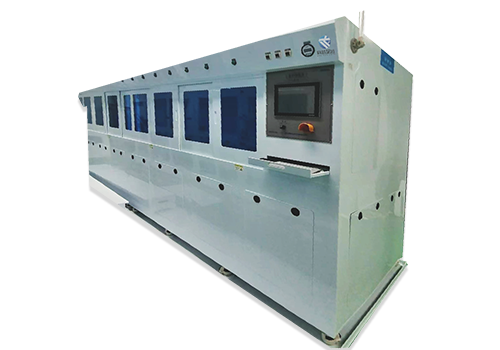
Manual Plating Equipment
Applications: R&D & Laboratories, Tooling & Surface Treatment Workshops, Precious Metal Plating

Manual Plating Equipment
R&D & Laboratories, Tooling & Surface Treatment Workshops, Precious Metal Plating
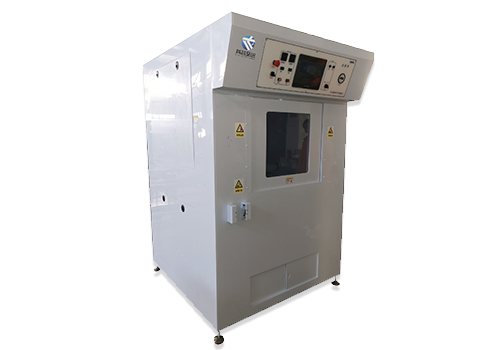
Trench Etching Machine
Power Devices, Advanced Memory, Micro-Electro-Mechanical Systems (MEMS)